
















A lot has been said about Gen Z’s penchant for the past. Gen Z collects records, DVDs and the 1990s. Gen Z is swapping smart phones for flip phones. Going analog is the latest way the members of Gen Z, those born between the late 1990s and 2000s, are rejecting the increasingly high tech-infused present in favor of a slower paced, low-tech past.
What is ‘going analog’?
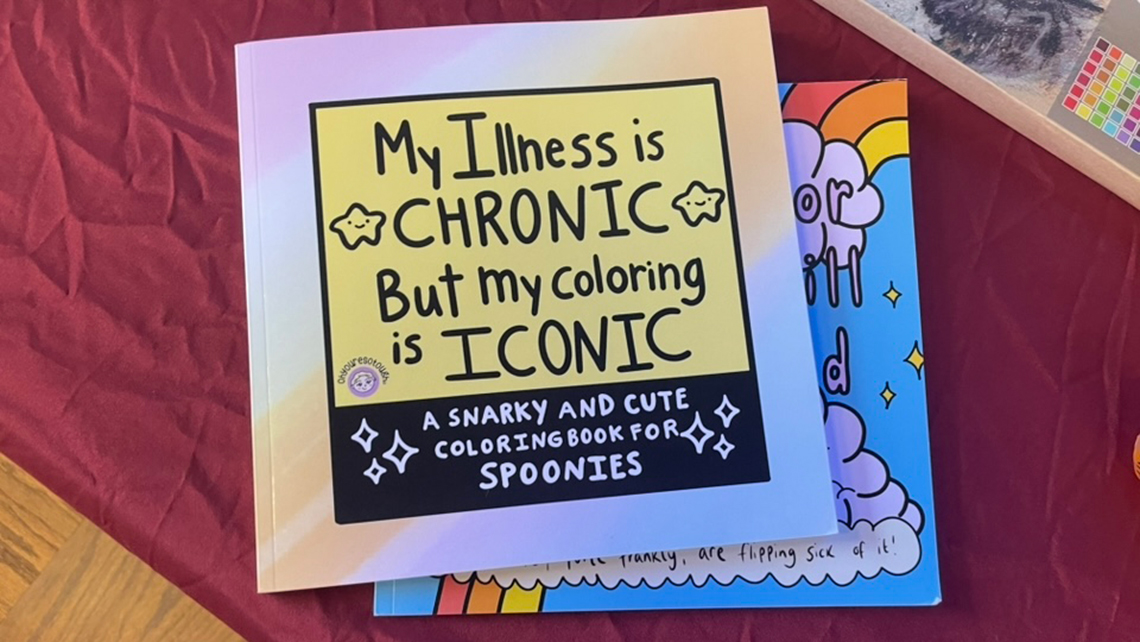
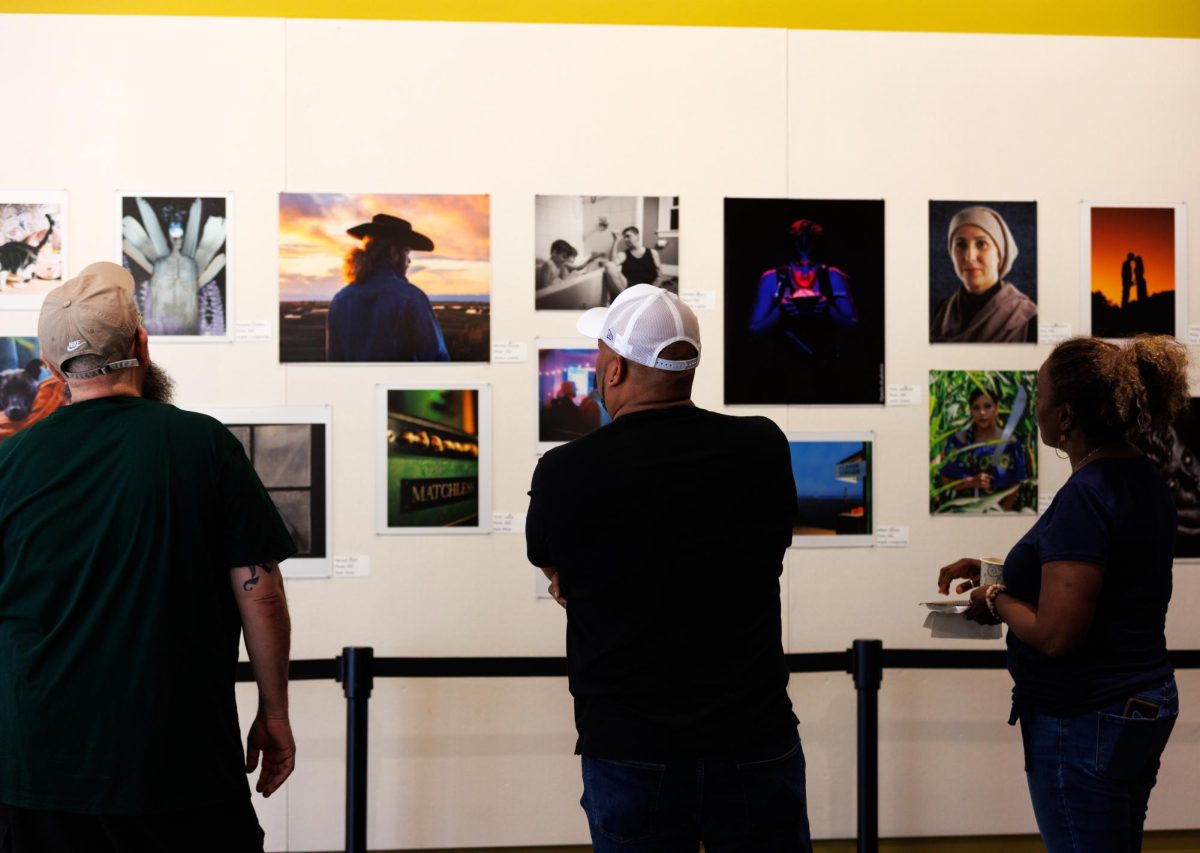
Going analog is, practically, trading in screen time for non-digital or physical technology and activities. Ironically, across social media platforms like Reddit, Instagram and TikTok people are showcasing their “dumbphone” everyday carries with items like flip phones, cameras, notepads and calculators, and analog hobbies like reading, post carding, journaling and painting.
Why go analog?
What is the appeal of being offline? The trend has been described as nostalgia, a yearning for a time before technology and social media was the main vehicle for entertainment and social interaction.
In the article, “Buying Futures, Renting the Past: How Speculation and Nostalgia Became the Economy” economist Kyla Scanlon frames the trend of nostalgia in Gen Z and Gen Alpha, people born in the late 2010s and 2020s, as nostalgia for an era before AI and speculation dominated markets, where young people could participate materially in the economy. Participating materially is important not just economically, but also socially and recreationally.
Offline on campus
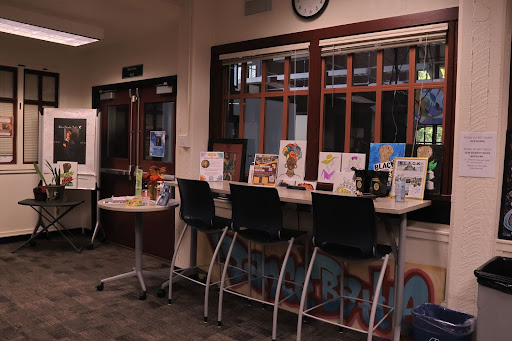
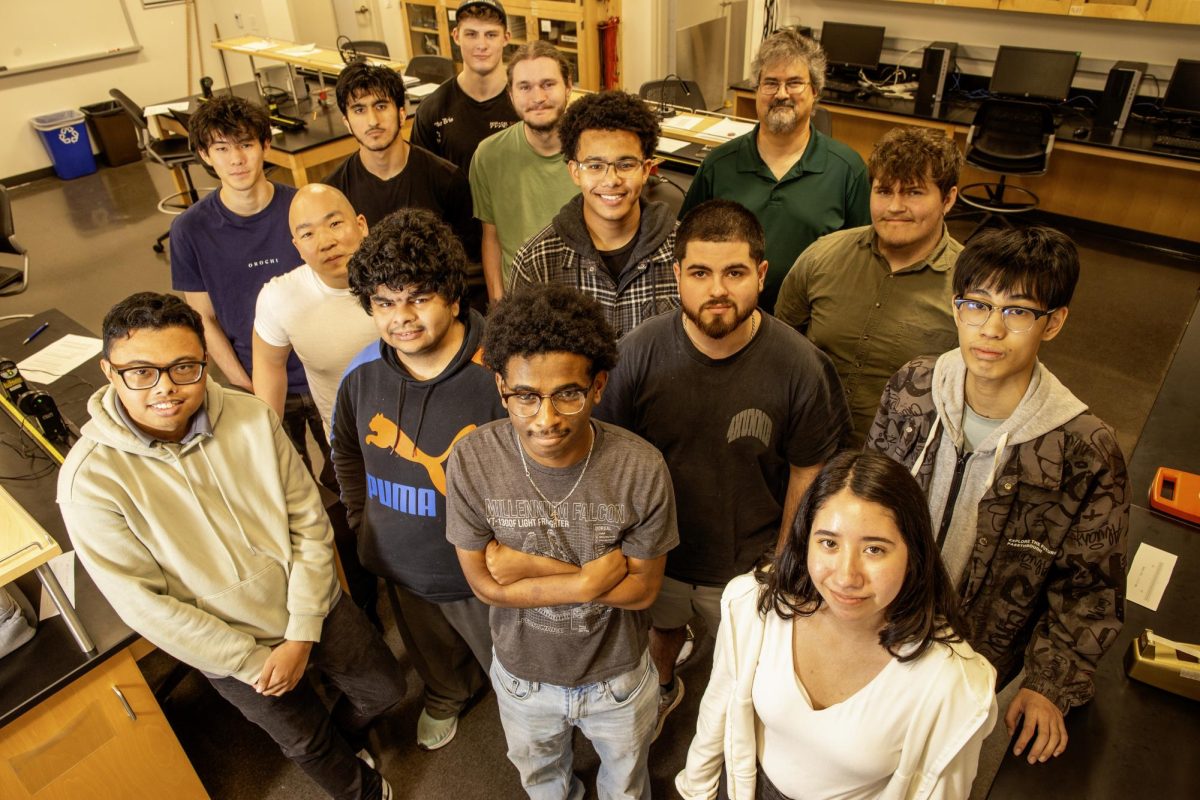
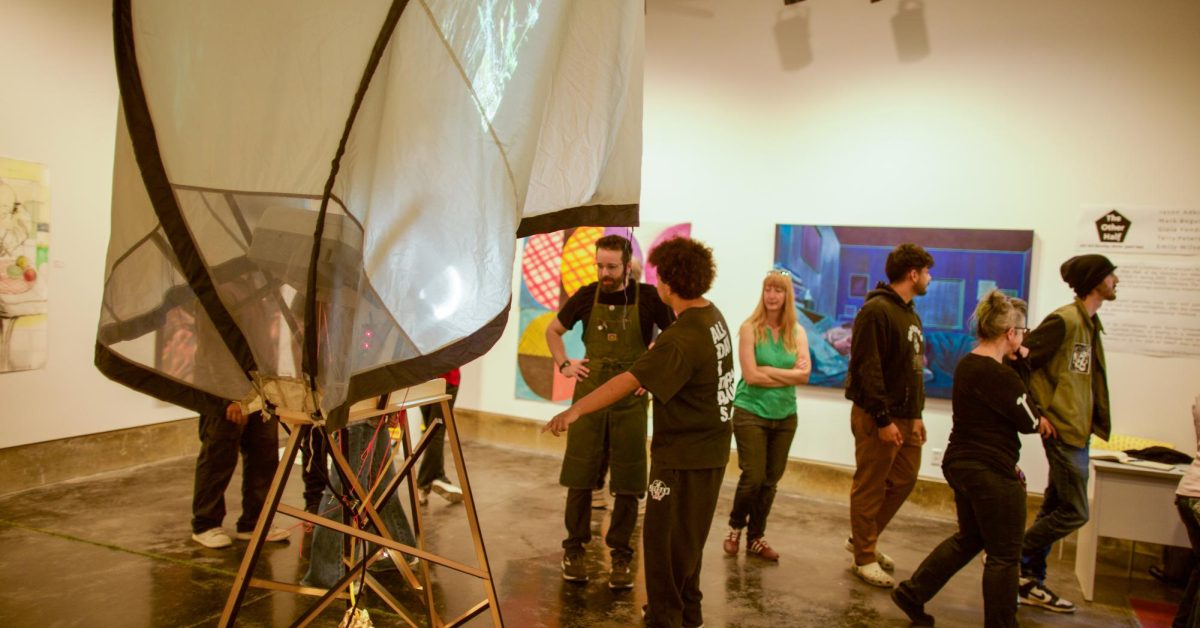
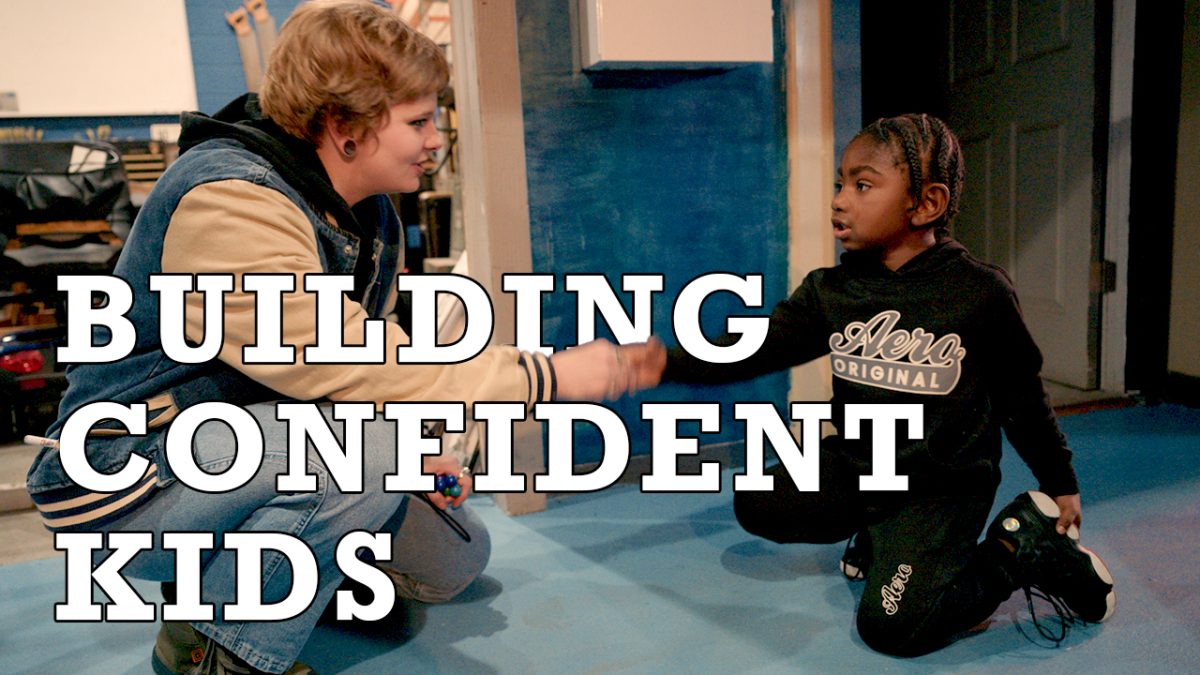
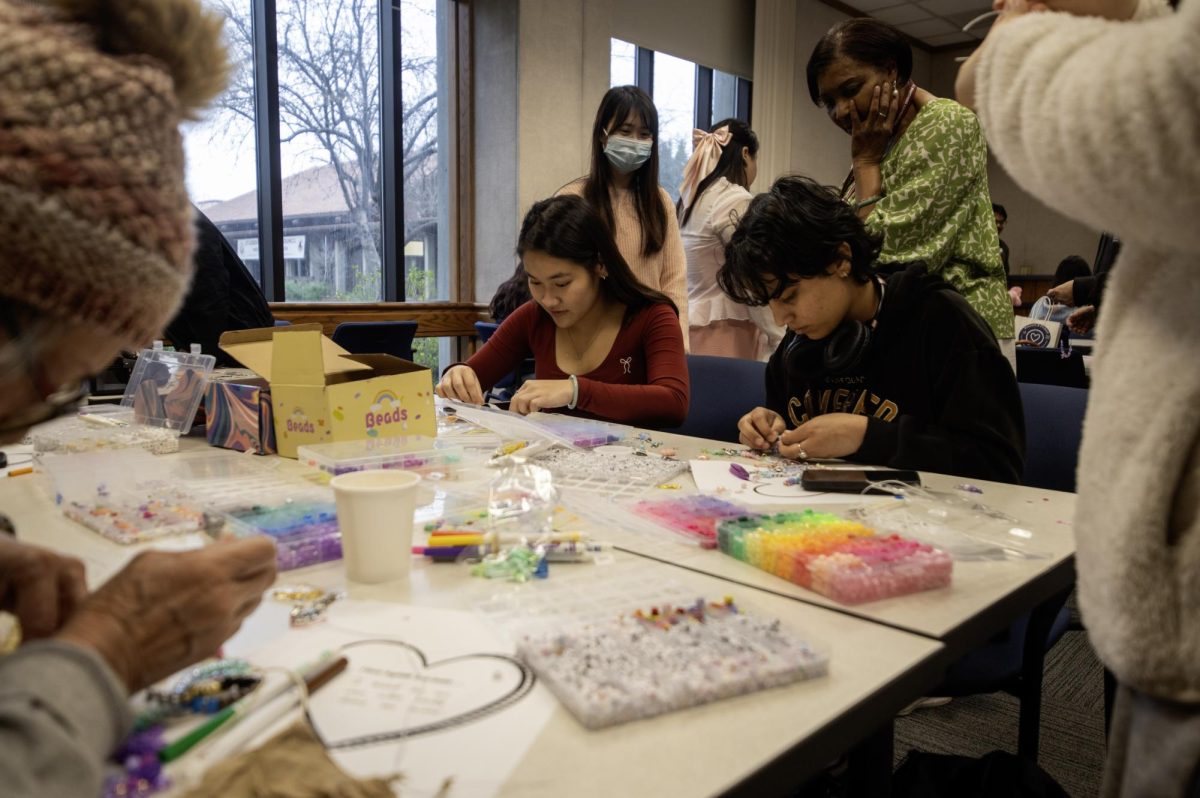
At Sacramento City College, the Makerspace exists as a space students can go to explore analog interests. They can 3D print, engrave, woodwork, work fiber crafts like sewing, knitting and fabric printing, and broadly make things with their hands.
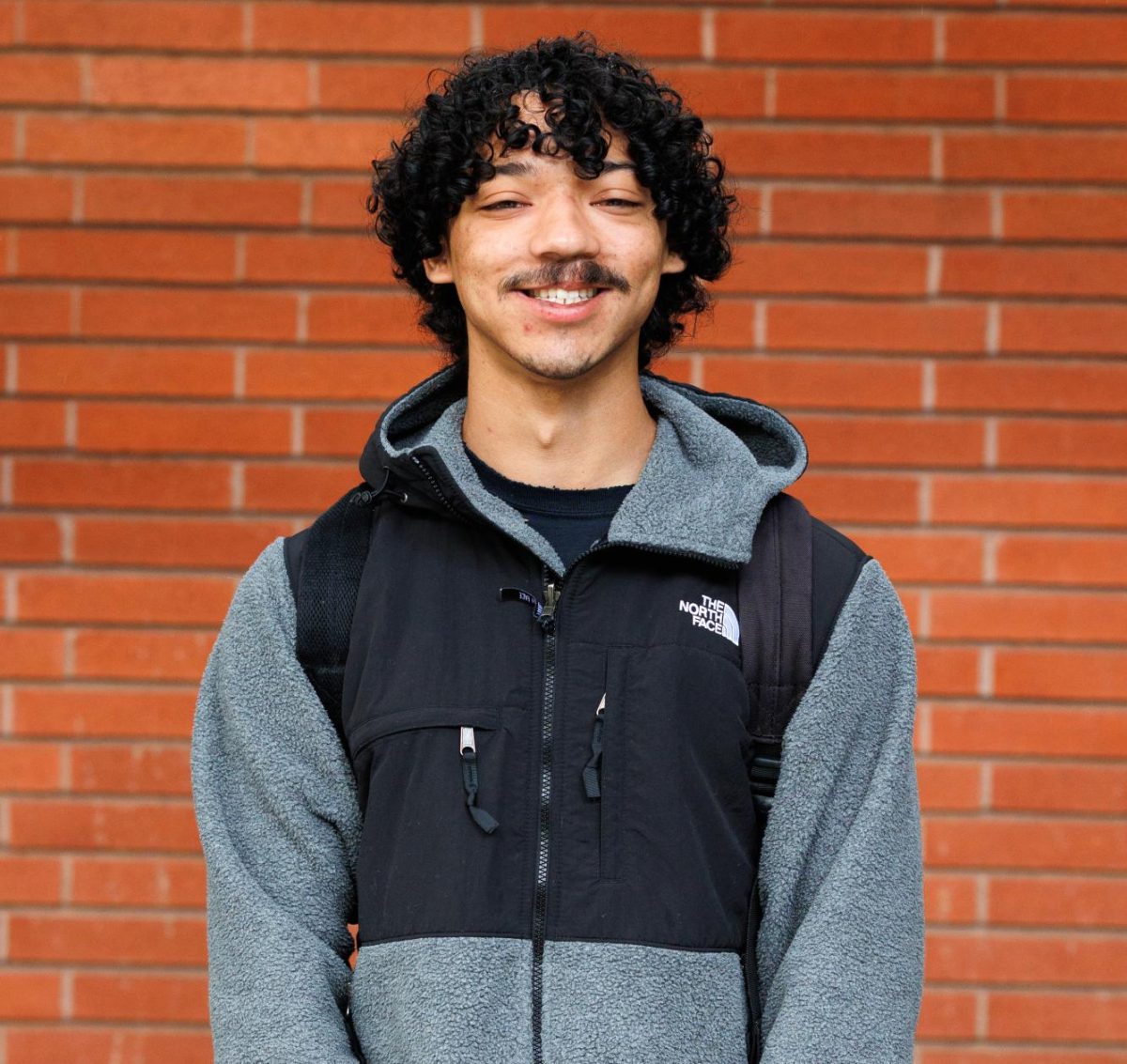
Ryan Wells, a student assistant at the Makerspace, said they’ve seen an uptick in students this semester.
“I’ve actually seen younger students as of late, which really is a good sign for the future, not just for the Makerspace, but I’d say for students in general,” Wells said. “I’d say people that go to the Makerspace, or just a makerspace in general, they have a good idea, thought process. They want to learn, and they want to gain skills that they would be able to use in their everyday life.”
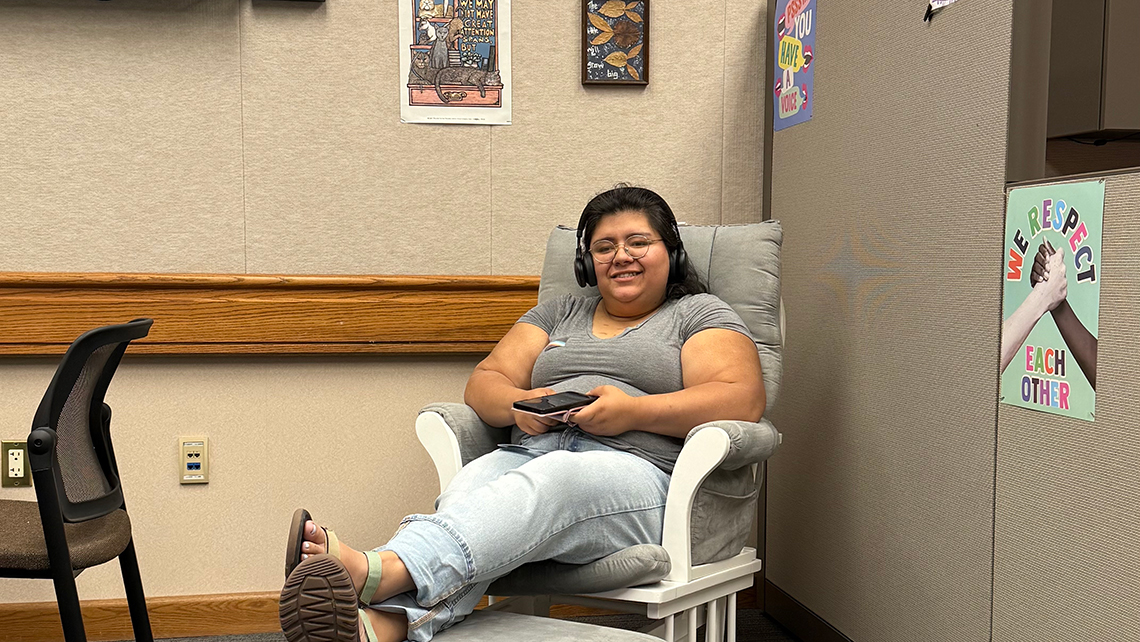
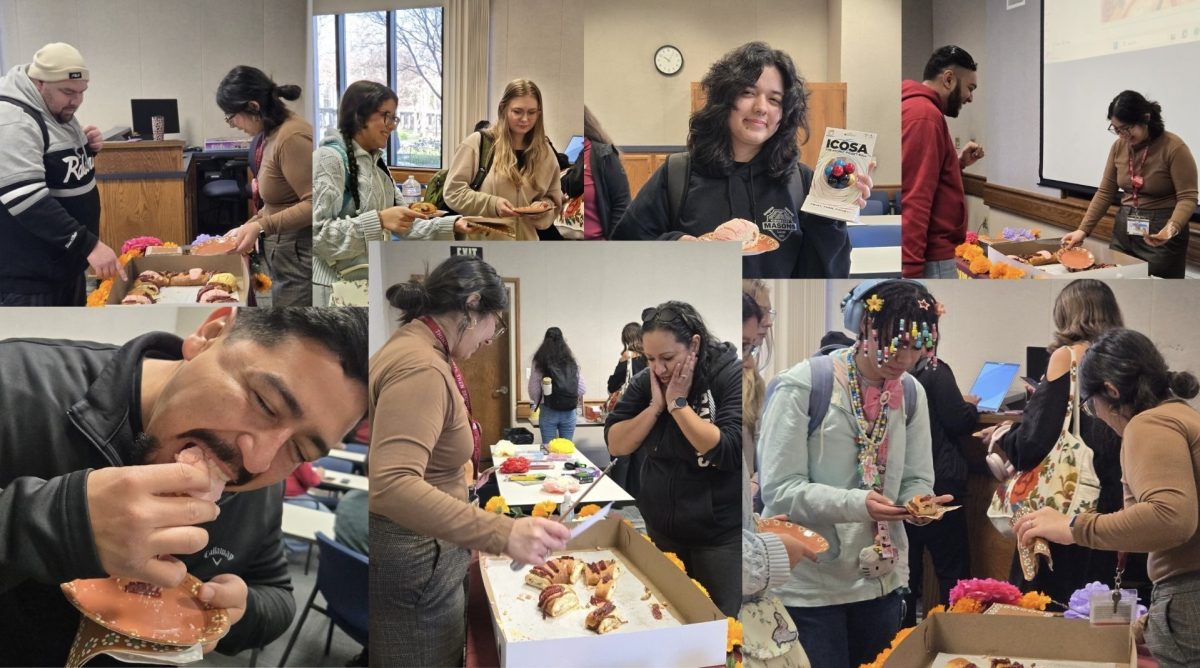
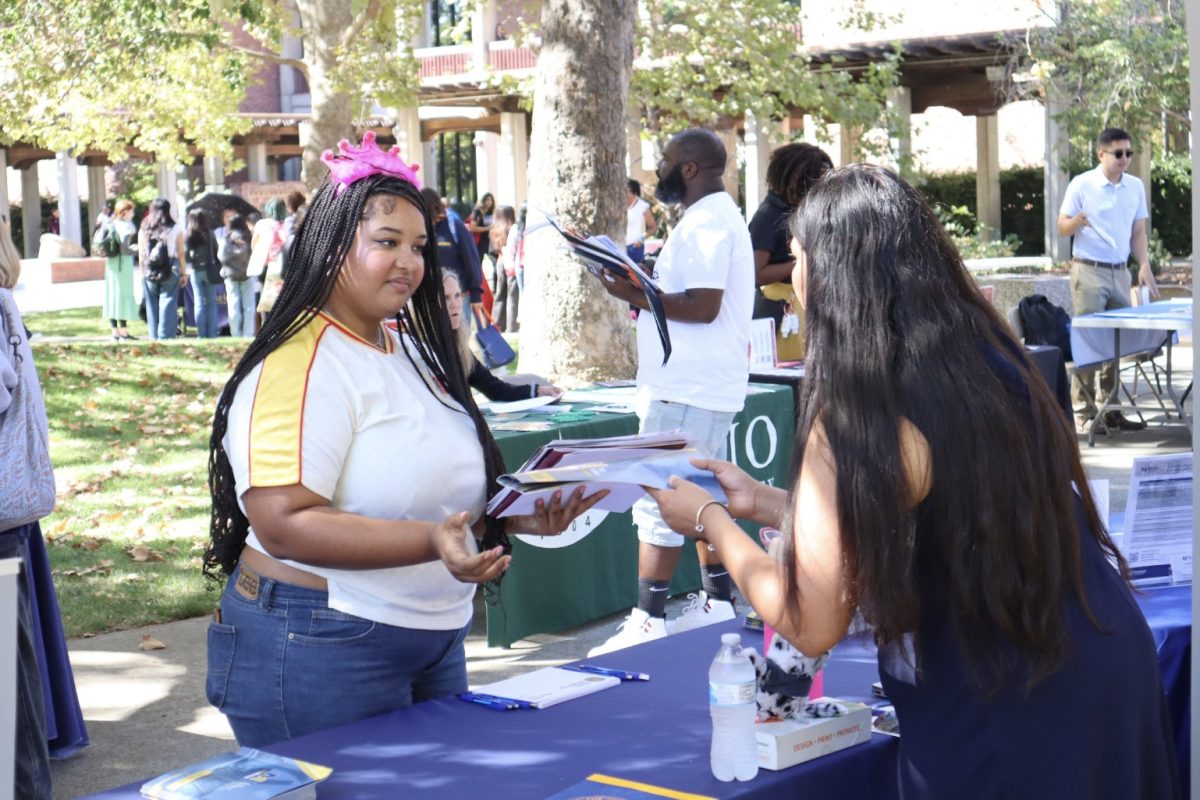
Outside of third spaces like the Makerspace, City College students have been making an effort to be offline.
“I’ve been going out with my friends a lot,” said Verane Ngassam, a biology major. “It has been really cool. We don’t really go on our phones when we’re all out. It’s really a nice way to stay present.”
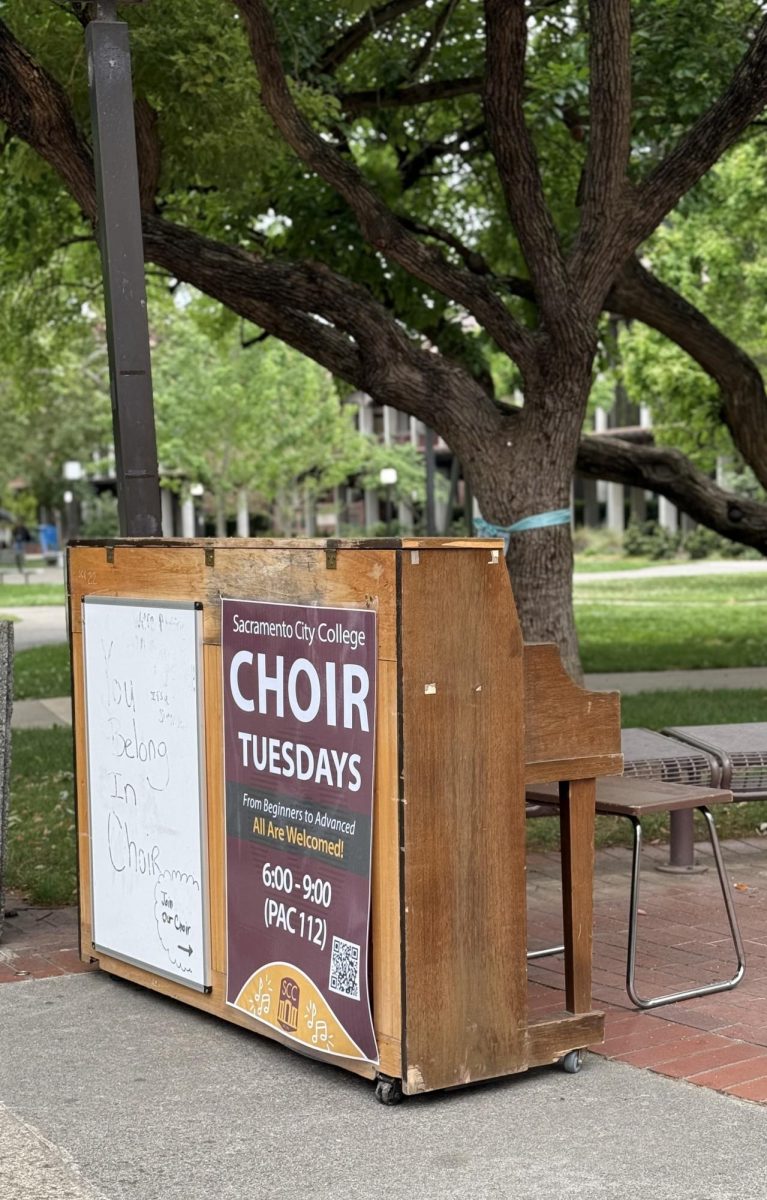
Ngassam said she also does a lot of music and other creative outlets.
“I love singing and writing songs and things like painting, drawing, anything like that and just learning new things.” Ngassam said.