


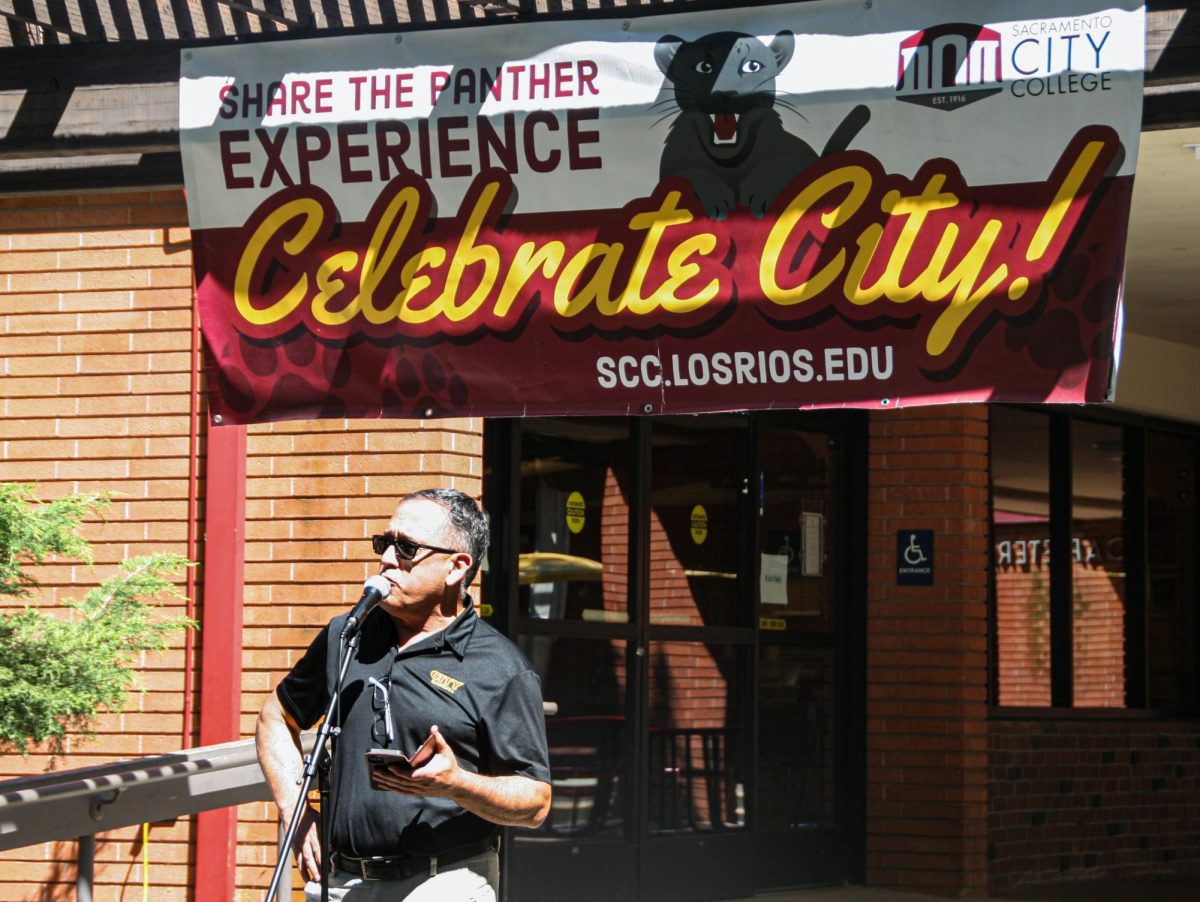






























Sacramento City College is one of the many institutions in California to receive a Black Serving Institution (BSI) designation.
A new law enacted Jan. 1, 2026, granted California colleges the ability to become BSIs. This designation is given to qualifying colleges that intend to improve the educational outcomes of Black students and acknowledge the systemic challenges that affect their success. With this designation, college campuses hope to provide an experience similar to Historically Black Colleges and Universities (HBCUs) and follow similar equity values.
Under this designation, it is certified that Sacramento City College administrators plan to take the necessary action to provide academic resources to Black and African American students. To qualify, an institution must have 10% of Black students enrolled or 1,500 if that threshold is not met.
City College’s student population included 2,167 or 10.7% Black and African American students in fall 2024, according to a news release announcing the BSI designation.
Additionally, the institution must have a drafted success plan included in their application that outlines the steps that will be taken to support Black students.
Between the 2021-2024 academic school years, City College gathered statistics on the academic progress of Black students, with one of these metrics determining success rates. This study found that while African American student success rates had increased between that timeframe, this rate had still trailed behind the overall college success demographic.
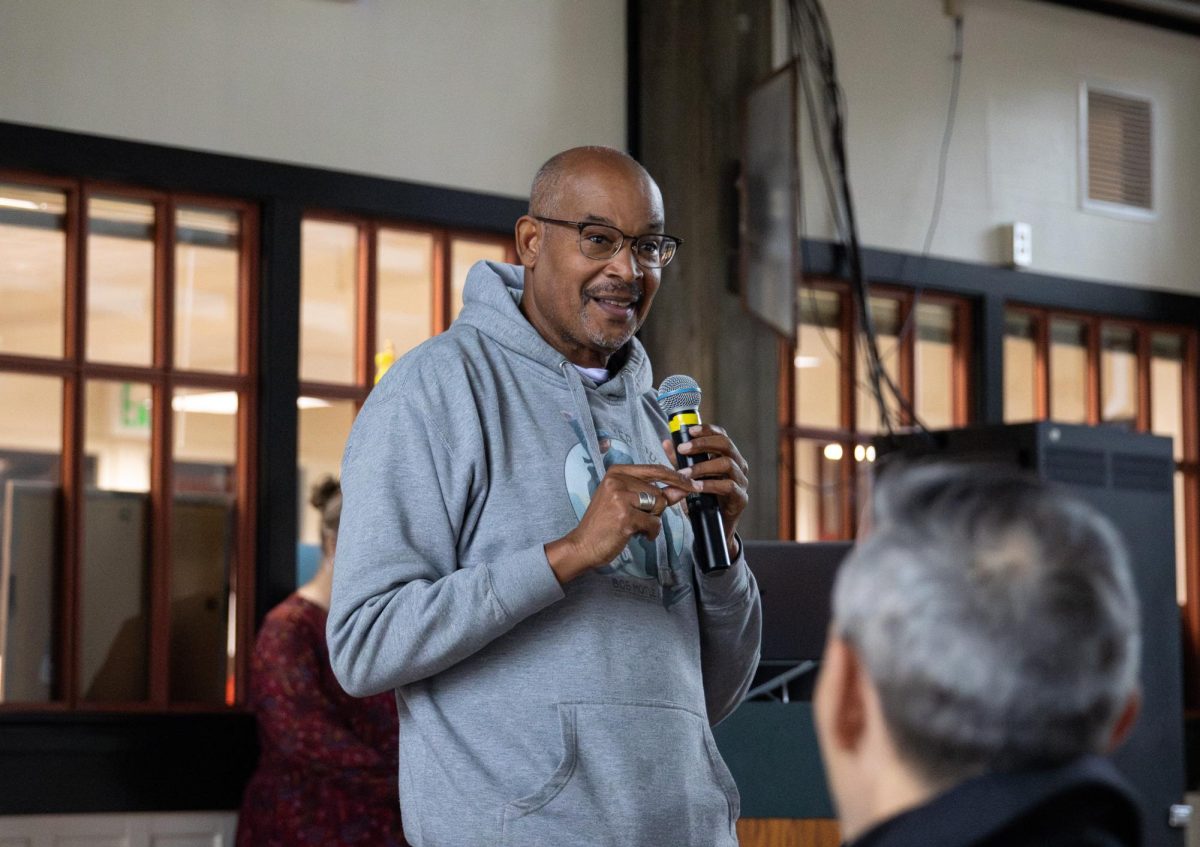
City College President Albert Garcia and Vice President Davin E. Brown acknowledge these disproportionate statistics and plan to make some changes that best support Black students on campus.
“If we were to approach or continue to approach higher education to meet the needs of the masses, we’re going to continue to ice out other marginalized communities,” Brown said. “When we recognize, OK, this is the community that could benefit from the greatest amount of support and intentional advocacy, then everyone benefits from that.”
President Albert Garcia said, “What we’re doing isn’t sufficient, both in terms of creating an environment that’s supportive for Black students and in terms of creating student outcomes for our Black student population that are equitable to all other groups on campus.”
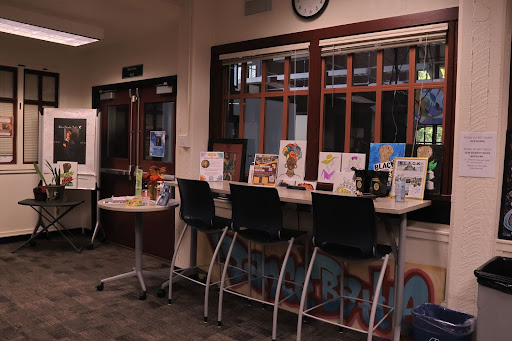
Prior to the BSI designation, resources such as the Umoja program and the ASHÉ center have provided Black students with culturally relevant support services such as peer mentorship, counseling, a community space, and a safe space.
Garcia acknowledges that the Umoja program and ASHÉ have been beneficial, but the resources that are readily available for Black students inside the classroom and throughout the campus are in need of improvement.
“I hope the students can look forward to seeing us be more deliberate about how we are both serving our Black students and how we’re listening to them in terms of what they believe they need for their success.” Garcia Said.
Students on campus should expect the following changes:
- Faculty will increase their use of data collection to improve Black student success in the classroom.
- CITY Scholars, a program that supports students transferring out of high school, will take effect in the fall of 2026 City Scholars | Sacramento City College
- A dual enrollment program that will partner with federal schools that serve the highest number of Black and African American high school students to provide resources for a smooth transition onto the college campus.
- Culturally relevant and proactive counseling that will reassure first-time African American college students.
- Tutoring and Academic support in the classroom (with the support of a writing assistant and assigned tutor)
- Implementation of the Zero Textbook Cost (ZTC) initiative that will increase the number of courses that will offer ZTC and low-cost material support.
While these are a few of the many changes to come, Garcia and Brown acknowledge the importance of a BSI designation and what it means to students of color.
“A BSI designation is long overdue,” Brown said, adding, “This nation has not been kind to people of color, and it has a history of othering, and systemic oppression, and white supremacy, in a way that has really compromised the livelihoods of folks who make the United States what it is, to be very honest.”
Brown said while some of these changes will take time to implement, she said the work is worth it.
“I’m not the type of person that complains about how long it takes,” she said. “I’m the type of person that is like, finally, OK, now let’s do it.”