

















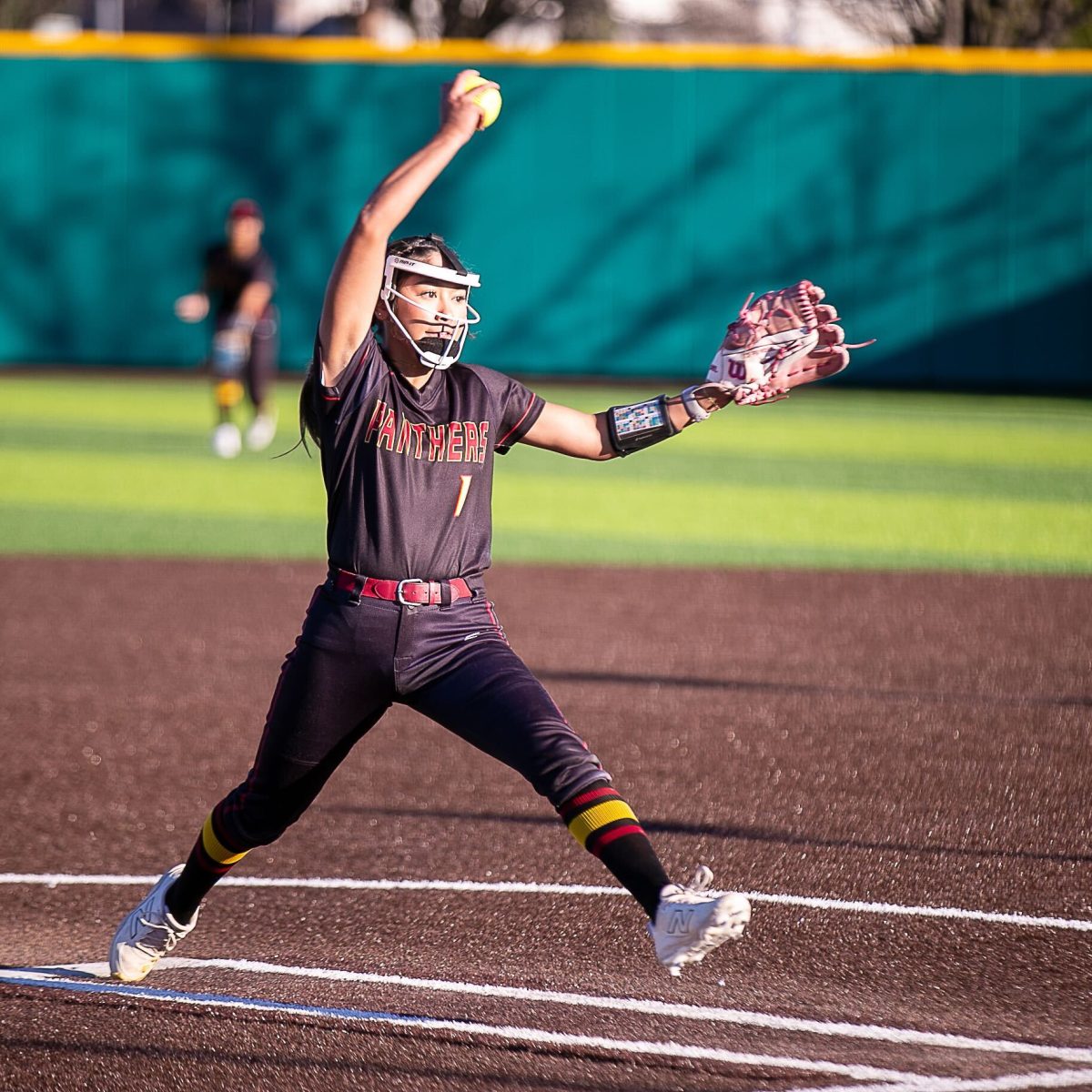


Sacramento City College volleyball coach Laurie Nash received her 400th win against American River College on Sept. 24. The Express spoke with Nash about her reactions to the win, as well as her accomplished coaching career, now in her 25th season at City College.
First off, congratulations on your 400th career win! When you look back at your career so far, what memories or emotions come to mind?
I have to be honest when answering this first question and say that at this point in my career, 400 is just a number. I understand the hype around it, but I still have at least three more years of my career and still so much more to do. When seeing that number, I do consider my memories of all my teams that I have coached over the years. I have team photos on my office wall that remind me daily of who I am and what I have been involved with here at City. So many athletes have played a significant role in winning, but most importantly have played a significant role in my growth as a coach.
Was there a particular season or game that stands out as especially meaningful on your way to 400 wins?
Beating ARC in our gym was the 400th win for this program under my coaching. ARC is my alma mater and where I started my college career as an athlete. It has been a very long time since we have beaten them and it was very sweet that night.
What got you into volleyball?
As a young girl who grew up in the foothills of Grass Valley, California, sports were a very important part of my life. I was very active and tried to play as many sports as I could. Volleyball was fun, but challenging to me because it is such a dynamic sport with so many layers to it. I had a very positive experience with a very talented high school coach who challenged me and also believed in me.
My playing experience at ARC was bittersweet because I tore my ACL at the beginning of my first season and missed that year. The injury didn’t hold me back though, and actually was the most pivotal moment in my athletic career. I had never injured myself before and a full year of rehab shaped my determination in life.
I used that setback as the platform to bounce back and always get the most out of every experience moving forward. I thought I would never play again and it became such a special time for me at the age of 17. I then played at Cal Poly, Pomona and also played in a professional league.
How would you describe your coaching philosophy, and how has it evolved since your first season?
After my college career was over at Cal Poly, I started coaching at a local high school and club. I still wanted to be involved with the sport and I knew that it would make me happy that I could give back. I have had so many wonderful coaches in my life who helped shape me as a coach myself. I feel like I have learned from all of them in creating my own coaching philosophy.
Typically, coaches will take on their own personal athlete-style and build upon that. I was a very competitive, intensely focused athlete but I quickly learned that wasn’t going to be the best style for coaching youth sports. Over the years, I learned to become someone who could blend competitiveness and intensity with a caring nature. I have always thought of my style as taking a holistic approach to coaching athletes. I care about the development of the whole person and not just the athlete. I have never really thought about how many victories I would accumulate over my coaching career. It’s not important to me.
What makes coaching at City special to you?
Coaching at City has been my career choice and not a job. Former SCC volleyball coach Debbie Blair brought me on as her assistant back in 1995. She had coached me in ARC and quickly, not only became my mentor but my close friend. When she retired from coaching in 1999, I knew that her legacy would continue through me. I learned so much from her and still have her in my life. She is the single most impactful coach in my life and will never understand the depth of her influence.
Once I took over the position in 2000, I wanted to lead like I was Sac City! Representing a program and a college is much more than just coaching. As coaches at Sac City, we wear so many hats on a daily basis and I vowed to always do the best that I could. It’s not difficult becoming a Sac City coach because you are supported and challenged on a daily basis. It’s inspiring me to become the coach I am today. I’m proud of Sac City.
How would you describe this year’s team, both on the court and in terms of their chemistry and character?
This team will definitely be a memorable one for so many reasons. Firstly, they are one of the closest teams I have ever coached. Secondly, they are locked in and have bought into the concept of “getting better every day.” Thirdly, it is such a pleasure to come to the gym and be around athletes who love becoming a better version of themselves. They help me become better for them.
After such a big milestone, what goals or motivations keep you inspired moving forward?
I just want to keep inspiring those around me — athletes and other coaches. I work very hard at my job and I am proud of what we do on a daily basis. I want to share this with future athletes who play for us and will strive to continue to do that until I retire.
What do you hope your players take away from their time with you, beyond their time on the court?
I hope that my athletes and teams will understand that they were the most important piece in all of this. Every player who has ever been involved in this program has been special. At least we try and make that happen and hopefully the takeaway is just that. Volleyball only lasts for so long in your life, but the life skills that are taken forward in your life will last much longer.
Individual athletes coming together as a team moving towards one goal of becoming a better team. So many steps are taken in this process of making that happen. These steps are much more than the actual volleyball skills.
Finally, what advice would you give to young coaches, especially women, who hope to build a lasting career in athletics?
Meaningful relationships are very important and should be very important at this level. I would always recommend that you should care. Care enough to build relationships with your athletes and build their relationships with teammates. There is value to that; working positively for you now and moving forward into their futures as employees, leaders, mothers and maybe even future coaches.
I have always tried to be a positive example for my teams and fellow coaches. I have great pride in who I have become over my long career. I am still becoming someone who I will ultimately be very proud of at the end of my tenure.