
































The Sacramento City Council voted unanimously to reaffirm its sanctuary city status on Jan. 27, marking almost 10 years since the council updated its local immigration platform.
This comes amid heightened tensions with ICE. Both Sacramento city officials and many community members under the Trump Administration are causing fear among immigrants in the local community.
Following the recent City Council vote, Vice Mayor Karina Talamantes was frank about the national atmosphere shaping the city’s response.
“What’s going on in our country is unacceptable. … It’s racism, hate and disdain for our immigrant communities.” Talamantes said.
The vice mayor said her own family history is very much connected to recent events, specifically her father who was deported until he was finally able to claim amnesty in the United States under the Regan administration. Her background underscores the personal stake the vice mayor has with Trump’s immigration crackdown.
“This is serious,” Talamantes said. “People are nervous and scared, and rightfully so.”
Talmantes stated Ice growing and offensive presence have already begun affecting city safety. “You have victims of domestic violence that are scared to call 911 because they’re afraid it’s going to be reported to ICE,” she said.
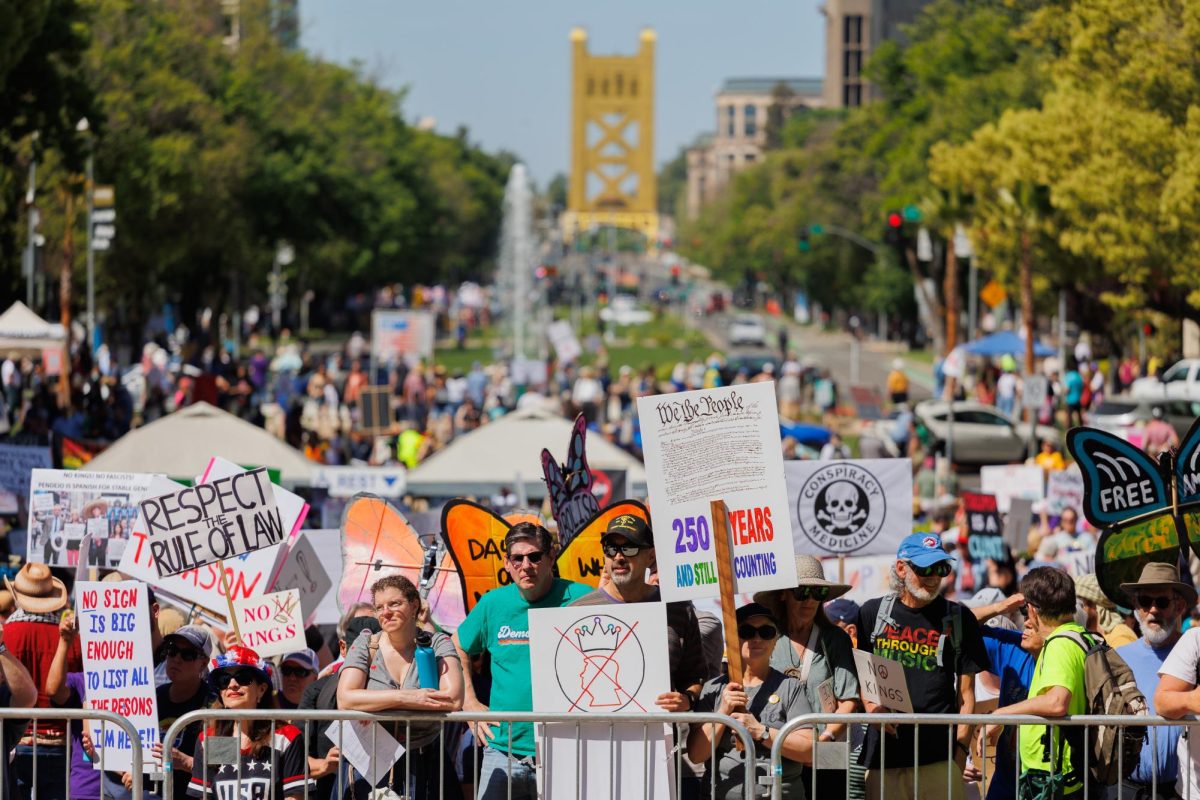
While Sacramento has been a sanctuary city since the mid-1980s, the packed city council meeting last month reflected today’s mass sentiment to materially address ICE in Sacramento.
The hearing related to reaffirming the sanctuary city status drew 128 public speakers and 651 written comments.
The turnout reflected not only a fear of ICE but a frustration with actions seen as mostly symbolic.
Talamantes acknowledged this frustration behind the turnout, saying “I get it, we’re in this together.”
Councilmember TK Maple described how her constituents have been directly affected by ICE actions in her district.
“If you look at my district, it’s about 40% Latino” Maple said, adding, “I have heard directly from them fears. They worry about taking their kids to school, they worry about showing up to work.”
Maple positioned the vote as a way to deal with the fears and concerns of ICE by Sacramentans.
“I just think that’s not a way to live,” Maple said. “That’s not what we want in Sacramento.”
Maple emphasized the limited power the city government has against federal agencies such as ICE.
“We are a city … there are limitations to what we can do in terms of fighting back against the federal government,” Maple said, adding, “But within that realm, we should do everything we can and really test the limit.”
Maple acknowledged that ICE operations can still occur without the city’s knowledge.
“There is ICE in Sacramento right now,” she said. “They can go and take an action that we won’t know about until after.”
City leaders say Sacramento has never collaborated with ICE. “Our police department does not work with ICE,” Talmantes said.
The city council’s updated policy aims to: prevent City departments from cooperating with federal Immigration enforcement; establish internal response protocols against ICE if they appear at city facilities; and claim municipal data won’t be handed over to ICE.
“Were going to create a protocol … so people know what to do,” Talamantes said
Maple added that policy agendas now give the council greater oversight ability, and if they learn that information sharing is happening, they can put a stop to that. However, city leaders said that Sacramento cannot stop federal actions outright, particularly since they do not control private spaces, like workplaces, hotels or religious institutions. But they can ban ICE activity from city-owned buildings.
“We do not control private spaces,” Talamantes said.
“If a private space chooses to cooperate, we can’t stop that,” said KT.