

California university and college faculty and students came to Sacramento to make their case for California to fight back at the Trump administration for cutting millions of dollars in California’s higher education system.
The California State Assembly’s Higher Education Committee met on Monday Nov. 17 for five hours of testimony from college leaders, faculty and students facing federal legal suits. Facing cuts to education and student aid, the committee heard the risks to the states universities from Trump’s budget cuts and Immigration and Customs Enforcement (ICE) attacks affecting students and their families.
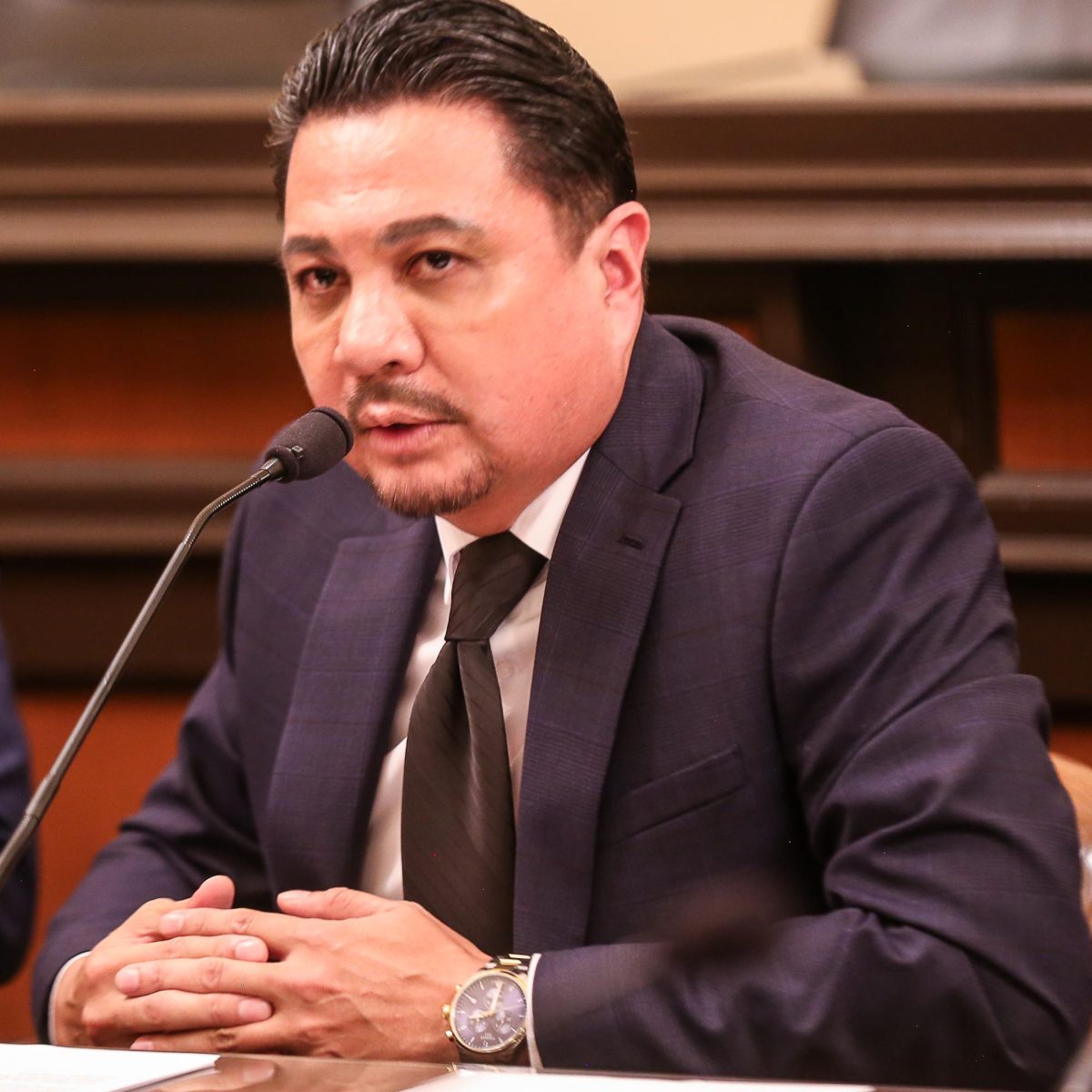
The AHEC chairman, Assemblymember Mike Fong (D-Alhambra), called the hearing in response to the million of dollars of program reduction proposed by the Trump administration. In a statement provided by Fong, “The federal administration’s decision to cut funding to higher education is a direct attack on students’ futures, particularly harming underrepresented and minority communities that rely on federal support.”
The University of California (UC) and California State University (CSU) systems reported a total of $7.3 billion in federal funds in their 2025-2026 budgets. The total proposed reductions in federal higher education funds is not completely known in the face of proposed regulations, pending legal challenges making their way through the court system. The Higher Education Committee has identified some cuts of proposed federal actions at the UC, CSU and the California Community Colleges (CCC); those federal cuts to the Minority Serving Institution grants total $86 million.
According to Fong’s statement, “Executive orders targeting minority-serving institutions undermine the progress made in advancing diversity, equity, and inclusion. Furthermore, threat to university accreditations, student loan programs, and the potential closure of the U.S. Department of Education poses a risk to the integrity of the education system. Educational institutions are not just essential for students’ academic success but also play a critical role in protecting democracy.”
Faculty and college administrators testified before the committee including representatives of the CCC, the largest system of higher education in the nation with 2.1 million students. Speaking to the committee Alberto Román, the recently appointed chancellor of Los Angeles Community College District, said he was concerned about the effects of budget cuts as well as the turbulence caused by federal ICE operations throughout the state. He talked to the committee about the fear in the schools. “We know for a fact that federal administration actions, both formal and informal, have had an impact on low-income students, traditional students, first generation students, undocumented students, fostering students, and the list goes on. There’s real fear right now for our students.”
The hearing included teachers and students from the Central Valley, a part of California with a multitude of factors contributing to lower college attainment, according to the Public Policy Institute of California.
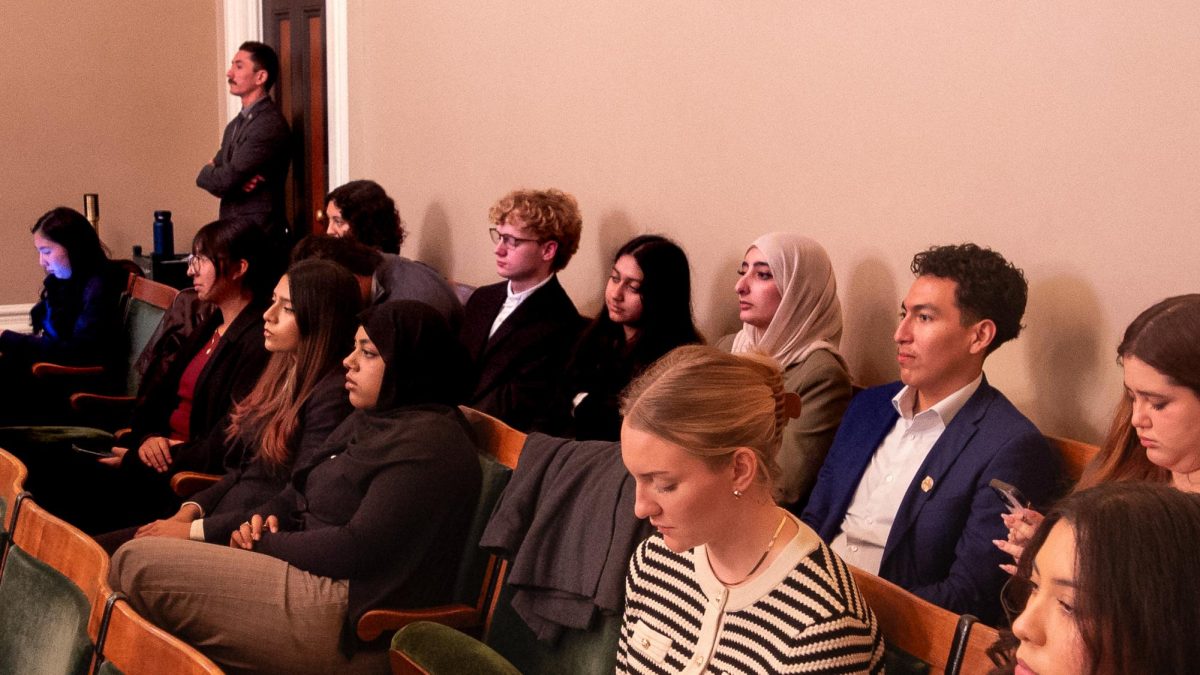
Cirian Villavicencio, co-chair and professor of the Department of Political Science at San Joaquin Delta College in Stockton, serves on the California Community College Board of Governors.
In an interview after his committee testimony, Villavicencio talked about the need to testify and lobby the members of the legislature. “Our higher education systems are funded mostly through the state funding, but there are a lot of intersections when it comes to federal programs from financial aid to the U.S. Department of education grants that now have been defunded. This is why we’re doing what we’re doing, and that is why this hearing is so important. We have an opportunity today to advocate for our respective systems why our legislature should invest again in these programs, despite the very difficult budget year that we will face.”
“I would say and I would argue that if the state doesn’t continue to invest or in a way, even up their investment for these programs, not only will Californians and the lower runs of our social economic ladder feel more pain,” he continued.
Traveling 200 miles from the San Joaquin Valley community of Reedley to testify, Jerry Reyes represented the statewide Senate for California Community Colleges. A first-generation California college student, Reyes testified on the threat to student success.
“These student lives are shaped not only by local campus culture, but also by the broader federal climate,” Reyes said. “Students rely on programs and services that create safety and belonging such as basic need centers, food pantries, the dream resource centers, pride and cultural centers, counseling and advising programs as health services. However, federal actions have created fear, and some students hesitate to participate in activism or share their perspective, worried about potential repercussions, undocumented mixed status, and international students are particularly affected.”
The committee hearing ended with Fong’s comments on the concerns about the Federal priorities, “for revenues to work for the benefit of students, faculty staff, and must be mutually beneficial and mutually respectful of the state and the federal government. If the stance of the federal government that higher education is the privilege of the few and not a right for all is short sighted and only results in the economy that is not equipped to handle the challenges of the future. Our state will continue to believe that our workforce, economy and education systems are benefited by diversity, equity, and inclusion of students and employees.”